



MARAKA, Gbonkolenken Chiefdom, Tonkolili District, December 15th, 2025- In a quiet rural community, tradition often carried more weight than personal choice. For generations, the people of this village had followed a hereditary system of leadership in which the position of the “Poro” society leader was passed from father to son.
It was believed that once a leader died, his eldest son must take his place to continue the customs and spiritual responsibilities of the Poro Secret society.
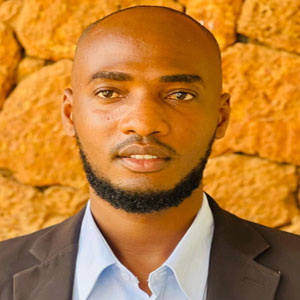
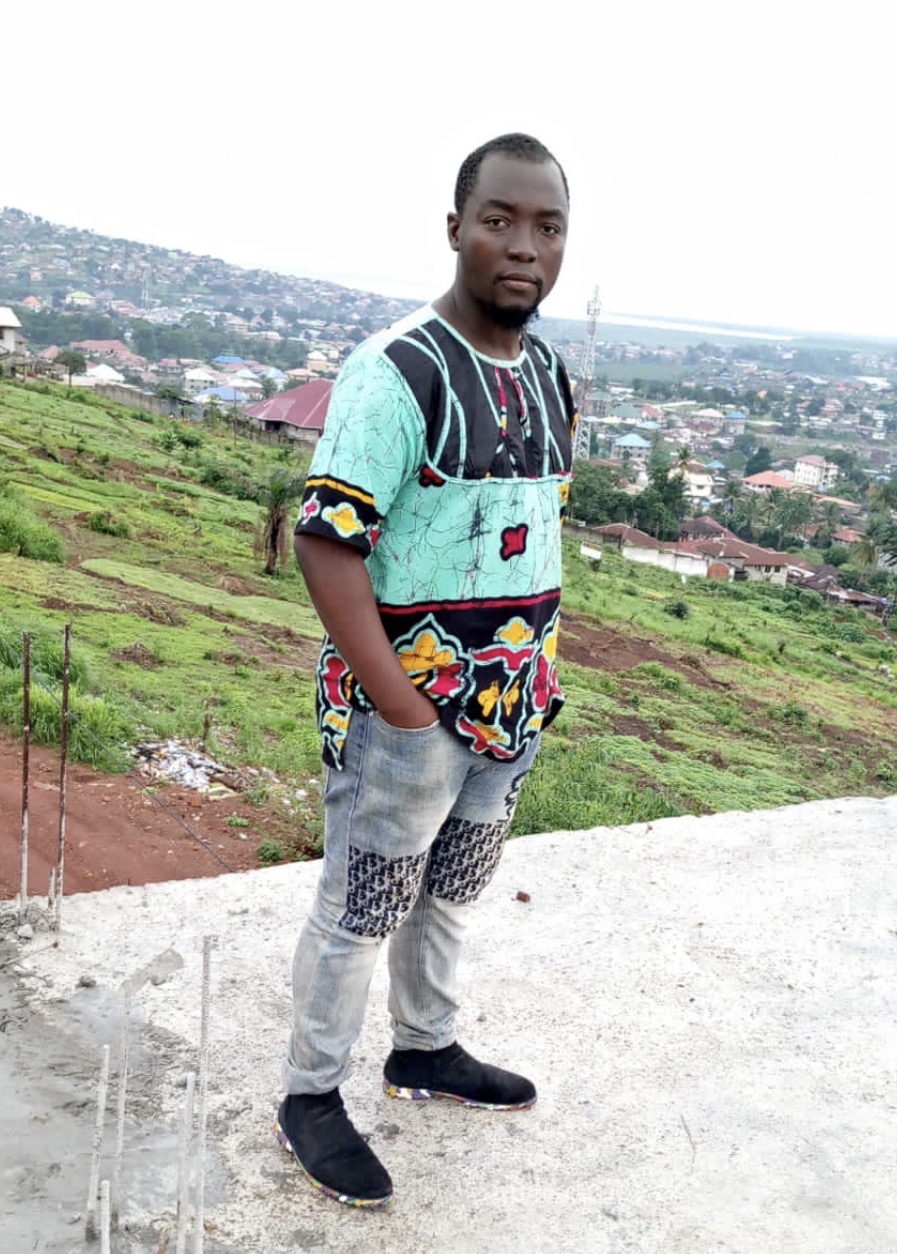
Ibrahim, popularly known as Teacher IB, was a respected teacher in Maraka village. He was known for his calm nature, wisdom, and dedication to educating young people.
Unlike many others, Ibrahim believed that leadership should be based on willingness and capability, not merely inheritance.
He valued knowledge, peace, and freedom of choice and association.
When Ibrahim’s father, who had served for many years as the head of the local Poro society, passed away, the elders of the community immediately turned to Ibrahim as the natural successor.
According to tradition, it was his duty to take up the sacred role his father had left behind.
But Ibrahim had different beliefs.
He respectfully told the elders that he could not accept the position and cannot be a member of the Poro Secret society.
He explained that he had chosen a different path in life—one devoted to worshiping Christ, teaching and guiding young minds in a peaceful way.
He feared that taking the role would force him into practices he did not believe in.
At first, the elders tried persuasion. They reminded him of tradition, family honor, and the expectations of the ancestors. They told him the community depended on him to preserve their customs. But Ibrahim remained firm.
He insisted that leadership should not be forced upon someone who did not willingly accept it.
His refusal angered some members of the Poro Secret society. To them, rejecting the role was not just a personal decision—it was seen as a rejection of their culture and authority.
Tensions grew quickly.
One night, a group of angry men from the Poro Secret society confronted Ibrahim. What began as intimidation soon turned violent. In their fury and determination to enforce the “Poro” tradition, they beat him mercilessly. By the time the violence stopped, Ibrahim had suffered fatal injuries.
The village woke the next morning to heartbreaking news: Ibrahim Sorie Kamara, the teacher who had devoted his life to education and peace, had been beaten to death simply for refusing to become what others demanded of him.a member of the Poro Secret society.
His death shocked many in the community. Some mourned him as a victim of intolerance and rigid tradition. Others began to question whether customs that forced people into roles against their will should continue in the same way.
Ibrahim Sorie Kamara’s story became a painful reminder of the struggle between tradition and personal freedom, and of the tragic consequences that can arise when dialogue and understanding are replaced by violence.
Even years later, people remembered him not as the leader he refused to become, but as the teacher who stood by his beliefs, even at the cost of his life.




Leave a Reply